My 1st Easter Bunny: A Designer's Practical Review
As someone who has spent years navigating the nuances of machine embroidery, from setting up small shop production runs to crafting bespoke gifts for clients, I approach every new design file with a critical eye. When I first opened My 1st Easter Bunny, I wasn't just looking for cute graphics; I was evaluating how this specific embroidery project would translate into a tangible, high-quality finished product. The title suggests a milestone moment, and in my experience, designs centered on "firsts" carry a heavy emotional weight that demands technical precision.
First Impressions: Mood and Visual Personality
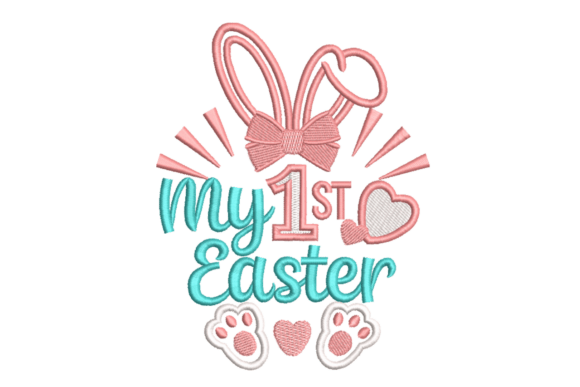
The initial visual impact of My 1st Easter Bunny is immediately warm and inviting. It captures the essence of spring without feeling cluttered or overly complex. For a holiday-themed piece, simplicity is often the key to longevity. This design avoids the trap of excessive detail that can lead to registration issues on home machines or frustration when digitizing for commercial use. The layout feels balanced, suggesting it will sit well on various surfaces without needing aggressive resizing.
When I visualize this as a handmade product, the mood it creates is one of nostalgia and celebration. It isn't just a bunny; it is a marker of a child's first holiday season. This emotional connection is what drives sales for Etsy sellers and boutique owners. However, the visual personality must be supported by solid stitching. If the lines are too thin or the fill areas too dense, the charm is lost. My assessment is that the design leans towards a clean, modern aesthetic, which pairs beautifully with both traditional and contemporary fabric choices.
Real-World Application: From Tote Bags to Baby Gear
To truly understand the value of My 1st Easter Bunny, we need to place it in a real scenario. Imagine you are preparing a custom embroidered tote bag for a local craft fair. You want something that stands out but remains practical. Placing this design on a sturdy canvas tote works exceptionally well. The scale allows the details to breathe, and the contrast against natural fibers highlights the festive colors. Customers walking by would immediately recognize it as a thoughtful personalized gift or a charming addition to their own Easter basket haul.
Now, consider a different application: baby clothes. This is where My 1st Easter Bunny truly shines. Whether applied to a onesie, a soft cotton sweatshirt, or a nursery blanket, the design fits the demographic perfectly. As an apparel decorator, I know that baby items require special attention to stitch density and thread tension. You cannot have bulky knots or rough edges touching delicate skin. This design appears to offer smooth contours, making it ideal for baby embroidery. Parents love items that feel premium, and a well-executed custom apparel piece featuring this motif builds immediate trust in your craftsmanship.
I also see strong potential for creating an embroidered patch. Many craft business owners prefer selling patches because they allow customers to customize their own denim jackets, backpacks, or hats later. If the outline of the bunny is distinct, it will hold up well during the cutting process. Furthermore, using this as a tote bag design or on a kitchen towel adds a seasonal touch to home decor that feels curated rather than mass-produced.
Navigating Fabric Challenges and Placement
While the design is versatile, there are specific scenarios where caution is required. Embroidery is not a one-size-fits-all solution. If you attempt to use My 1st Easter Bunny on very thin fabrics like chiffon or highly stretchy materials like jersey knit without the proper backing, the result could be puckering or distortion. Always remember that the stability of the final look depends heavily on the stabilizer you choose.
Textured fabrics present another challenge. On a thick fleece or a nubby linen, the fine details of the bunny might get lost within the fabric weave. In such cases, you might need to adjust the stitch density or opt for a larger hoop size to ensure the image remains crisp. Similarly, if you are working with dark fabrics, the default thread colors provided in the file may not offer enough contrast. Always test a mockup to see if the white or pastel tones pop against a navy or charcoal background. Using a light-underlay or adjusting the satin stitch width can make a significant difference here.
Curved surfaces, such as caps, require careful placement. If the design includes text or intricate feet, stretching the fabric over a curved brim can warp the image. For caps or hats, ensure the main focal point of the bunny is positioned where the fabric lies relatively flat. Additionally, avoid placing the design near seams or zippers where the needle might snag or the fabric might shift during stitching.
Technical Considerations for Professional Results
Before committing to a full production run or selling a finished item, you must treat My 1st Easter Bunny like any professional asset. Start by testing the design on scrap fabric that matches your intended material. This step is non-negotiable. Check for thread breaks, skipped stitches, or areas where the fill stitch looks too sparse. Sometimes, a design that looks perfect on screen needs minor tweaks in the machine settings to achieve that polished look.
Review the hoop size requirements carefully. If you are using a smaller hoop, ensure the design does not get cropped or stretched unnaturally. Large designs often need to be split across multiple hoops, which requires precise alignment. For digital embroidery files, always verify the compatibility with your specific machine software. While most standard formats work universally, some specialized machines may require specific conversion tools.
Another critical factor is the licensing. As a creative entrepreneur, you must confirm whether you are allowed to sell the finished products or the digital file itself. Many designers offer personal use licenses only, while others permit commercial use with attribution. Selling items made with My 1st Easter Bunny without the proper rights can jeopardize your business reputation and legal standing. Always read the terms before listing your items on Etsy or at a craft fair.
Building Brand Consistency and Customer Trust
Ultimately, the success of your small shop product line depends on consistency. Using a reliable design like My 1st Easter Bunny helps establish a cohesive brand identity. When customers see high-quality stitching and thoughtful design choices, they are more likely to return for future purchases. It signals professionalism and care.
Consider how this design affects the overall presentation of your holiday embroidery collection. Does it complement your other items? Does it fit the color palette of your brand? Creating printable mockups can help you visualize how the design looks on various products before you even thread your machine. These visuals are essential for marketing, allowing potential buyers to imagine the item in their own homes.
In conclusion, My 1st Easter Bunny offers a solid foundation for a variety of projects, from heartfelt personalized gifts to profitable commercial embroidery ventures. Its strength lies in its simplicity and emotional resonance. By paying attention to fabric choice, stabilizer use, and technical setup, you can transform this machine embroidery design into a standout piece that delights customers and enhances your portfolio. Whether you are a hobbyist or a seasoned business owner, taking the time to evaluate and test ensures that your final creation is as beautiful in reality as it is in concept.