Sewing Line Art: A Designer's Review
As an embroidery designer who has spent years curating collections for boutique apparel, I approach every new digital asset with a critical eye. When I first encountered Sewing Line Art on Creative Fabrica, my immediate goal was to determine if it could elevate a small sweatshirt collection from generic to gallery-worthy. In the world of custom apparel, the difference between a mass-produced item and a handmade treasure often lies in the subtlety of the design. This review explores how this specific machine embroidery design performs when translated from a screen onto fabric, specifically focusing on its potential for hoodies, t-shirts, and tote bags.
First Impressions: Visual Personality and Stitching Mood
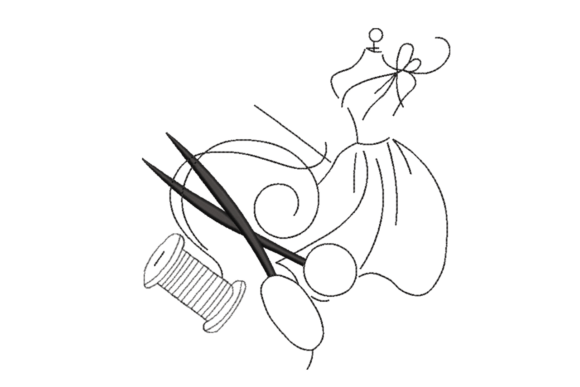
The moment you preview Sewing Line Art, the aesthetic intent becomes clear. It possesses a distinct visual personality that balances minimalism with intricate detail. Unlike heavy, blocky designs that can overwhelm a garment, this file relies on clean lines and elegant curves. The stitching mood feels both classic and trendy, making it versatile enough for a rustic farmhouse brand or a modern urban streetwear label. The decorative strength is high without being loud; it whispers quality rather than shouting for attention. For a boutique brand aiming to project professionalism and artistic integrity, this design offers a premium feel that resonates with customers seeking unique, handcrafted items.
Applying the Design to Sweatshirts and Hoodies
When planning a seasonal collection, sweatshirt embroidery is often the cornerstone. I immediately visualized Sewing Line Art placed on the left chest of a neutral oatmeal-colored hoodie. The fine lines of the design would stand out beautifully against the soft texture of fleece, provided the thread color contrast is chosen wisely. On pastel hoodies, such as sage green or dusty rose, this design adds a touch of sophistication without competing with the fabric's subtle hue.
For oversized garments, which are currently dominating the market, the placement options expand significantly. While a small chest logo is standard, Sewing Line Art works exceptionally well as a large back design. The linear nature of the art allows it to scale up without losing clarity, creating a statement piece that looks intentional rather than cluttered. Sleeve accents are another strong possibility; running a vertical line of the design down the forearm of a dark grey sweatshirt creates a sleek, modern silhouette that appeals to fashion-forward buyers.
Versatility Across Different Apparel Types
Beyond hoodies, the adaptability of this Creative Fabrica embroidery file is impressive. On t-shirt embroidery, particularly those made from 100% cotton jersey, the design maintains its crispness. The lack of dense fill stitches means the fabric remains breathable and soft, a crucial factor for customer comfort. I also see immense potential for denim jackets. Embroidering Sewing Line Art on the back yoke of a vintage-wash jean jacket adds a layer of artisanal charm that elevates the finished product instantly.
For lifestyle products, consider tote bag design. A canvas tote features this line art perfectly, offering a sturdy surface where the stitch density can be fully appreciated. These bags become excellent marketing tools for an Etsy seller or a small shop product line, serving as walking advertisements for your brand identity. Furthermore, the design translates well into printable mockups for social media graphics, allowing you to showcase your vision before cutting a single thread.
Navigating Challenges: Where to Use Carefully
While Sewing Line Art is versatile, a professional designer knows that not all placements are created equal. Small chest placement requires precision; if the lines are too thin relative to the hoop size, they may appear lost on textured fabrics like ribbed cuffs or collars. Dense stitch areas should be avoided on stretchy fabric, as the tension can cause puckering, ruining the clean look of the lines.
Dark garments present their own set of challenges. Without proper underlay, the light lines of the design might disappear into the deep navy or black of the fabric. Always test on scrap fabric first to ensure visibility. Additionally, curved surfaces, such as the shoulder seam of a hoodie, require careful digitizing checks to prevent distortion. Tiny lettering integrated with the line art should be scrutinized closely; if the text is too small, it will lose legibility once stitched, diminishing the professional presentation of the item.
Impact on Brand Identity and Product Value
Incorporating Sewing Line Art into your collection does more than just decorate a shirt; it builds buyer trust. Consistent use of high-quality, well-executed designs fosters product recognition. When customers see the same level of care in your thread colors and stitch density across different items, they associate your brand with reliability and style. This visual consistency is key for growing a boutique brand. A well-placed embroidery design increases the perceived value of the apparel, allowing you to price your handmade products competitively while maintaining healthy margins.
For the digital seller or creative entrepreneur, this design aids in customer engagement. High-resolution photos of the finished product, showing the texture of the thread against the fabric, perform exceptionally well on platforms like Instagram and Pinterest. The design acts as a focal point that draws the eye, encouraging users to stop scrolling and explore your shop further.
Practical Notes for the Embroidery Designer
Before committing to a full production run, there are several practical steps to take. First, always test on scrap fabric similar to your final garment. Check your stabilizer choice carefully; a cut-away stabilizer is often best for sweatshirts to support the weight of the stitching over time. Review thread color contrast to ensure the design pops against the background fabric. Confirm your hoop size matches the dimensions of the design to avoid cropping essential details.
Inspect the stitch density within the file. If the lines are too close together, you may need to adjust the speed of your machine to prevent skipped stitches. Finally, always check the Creative Fabrica product details and licensing before selling finished apparel. Ensure that the commercial embroidery license covers your intended use, whether you are selling physical goods or digital files. By taking these precautions, you ensure that Sewing Line Art serves as a reliable foundation for your next successful collection.