Stylized Flower Bouquet Design Review
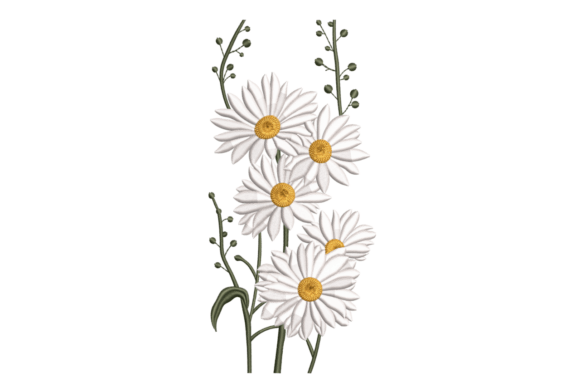
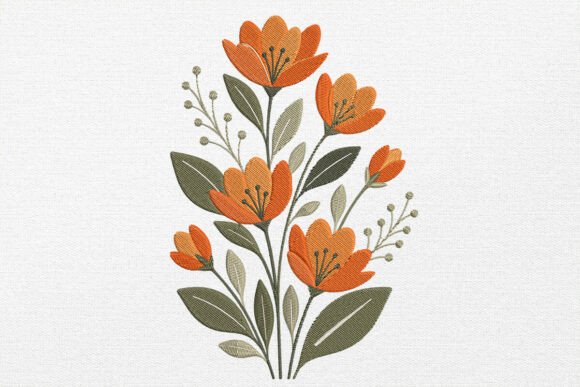
As an experienced embroidery designer who has spent countless weekends setting up booths at craft fairs and managing a digital shop for handmade goods, I know that not every design translates well from the screen to the fabric. Today, I am putting the Stylized Flower Bouquet Design under the microscope. This specific machine embroidery design is described as featuring elegant wildflowers in a minimalist style, catering to modern embroidery lovers. My goal here is to determine if this file will be a bestseller on my table or just another item gathering dust. When you are preparing a booth display with embroidered tote bags, aprons, tea towels, patches, caps, small pouches, pillow covers, and giftable handmade items, every stitch counts toward your bottom line.
First Impressions: The Boho Minimalist Aesthetic
The moment I load the Stylized Flower Bouquet Design into my digitizing software, the first thing that strikes me is its clean, linear quality. It does not scream "country rustic" or "loud festival." Instead, it whispers "modern elegance." The description mentions it is perfect for hoop art and DIY projects, and looking at the layout, I can see why. The lines are fluid, suggesting a boho vibe without being cluttered. For the current market, where customers are increasingly drawn to neutral tones and understated luxury, this design feels premium. It fits perfectly into the Wedding Flowers category if executed on high-quality linen, but it also works beautifully as a standalone statement piece for everyday wear.
In a crowded craft fair environment, visual clarity is king. Customers often walk past tables in seconds. They need to understand what they are looking at immediately. The Stylized Flower Bouquet Design succeeds here because the silhouette of the wildflowers is distinct even from a distance. It avoids the trap of being too busy, which is a common issue with floral patterns. If you are an Etsy seller or a boutique maker looking to elevate your brand consistency, this minimalist approach allows the craftsmanship to shine rather than hiding behind excessive detail.
Product Performance: Where Does It Shine?
When considering how to turn this digital embroidery file into a physical craft fair product, I have to evaluate the substrate. Not all fabrics play nice with line art. Let's break down where this design performs best.
- Tote Bag Design: This is likely the strongest application. A large canvas tote bag provides ample space for the bouquet to breathe. The minimalist style looks chic against natural cotton or heavy duck cloth. It transforms a basic utility item into a fashion accessory.
- Tea Towel Embroidery: Kitchen linens are a staple for handmade shops. The Stylized Flower Bouquet Design works exceptionally well here, especially on white or cream towels. The contrast makes the flowers pop, and the lack of dense fill stitches means the towel remains soft and absorbent.
- Apron Embroidery: For the home baker or chef, an apron with this design adds a touch of personality. Placing the bouquet on the bib or the pocket creates a focal point that draws the eye without overwhelming the garment.
- Embroidered Patch: While possible, I would exercise caution. Line art can sometimes look fragile when backed with felt. However, if the stitch density is managed correctly, these could become trendy accessories for denim jackets or backpacks.
- Pillow Covers: These are excellent for gift-giving. The design scales well to larger dimensions, making it ideal for 18x18 inch throws. It elevates a simple pillow cover into a decorative home accent.
For small shop products like caps or small pouches, the design might require resizing. On a curved cap surface, long flowing lines can sometimes distort if the stabilizer isn't perfect. Similarly, on tiny fabric pouches, the details might get lost. Always create a printable mockup before committing to a batch run to ensure the scale is appropriate.
Production Realities: Stitch Density and Fabric Texture
As a professional, I cannot ignore the technical challenges. The Stylized Flower Bouquet Design relies heavily on satin stitches and fine running stitches to define the petals and stems. This brings us to the critical issue of stitch density. If the design is too dense, it can pucker thin fabrics like chiffon or lightweight cotton. If it is too sparse, the threads may show through to the back, ruining the finish of a commercial embroidery product.
One major consideration is the fabric texture. Textured towels or nubby wools can interfere with the precision of line art. The needle might skip, or the thread might sink into the weave, blurring the elegant lines. I always recommend testing the design on scrap fabric first. Check the thread contrast; a dark thread on a light background usually offers the best visibility for this type of design. Conversely, using dark fabric requires careful selection of bright thread colors to maintain that "elegant wildflower" look.
Furthermore, consider the hoop size. If the design is intended for a standard 5x7 hoop, ensure the spacing between elements allows for easy hooping without distorting the image. If you plan to sell finished products, you must confirm that the design assets are stable across different hoop sizes. Resizing a line art design too small can result in gaps between stitches, while enlarging it too much can stretch the proportions of the flowers unnaturally.
Selling Strategy: From Booth to Online Listing
How does this design affect customer attention? In my experience, buyers at craft fairs are looking for uniqueness. The Stylized Flower Bouquet Design offers a modern twist on a classic theme. It appeals to the demographic that loves farmhouse decor but wants something slightly more contemporary. When photographing these items for online listings, the clean lines translate beautifully to digital screens. High-contrast photos of the embroidery on neutral backgrounds tend to perform very well on Etsy and Instagram.
For the creative entrepreneur, this design offers great potential for batch production. Because it is minimalist, it is generally faster to embroider than complex, multi-colored fills. This increases your output per hour, allowing you to stock more inventory for the weekend market. However, do not overlook the importance of the finished product presentation. Pairing the embroidered item with a simple card explaining the design's inspiration can add perceived value.
Practical Designer Notes for Success
Before you hit the "start" button on your machine, follow these steps to ensure your Stylized Flower Bouquet Design sells out:
- Test on Scrap Fabric: Never skip this. Run a test on the exact material you plan to use to check for puckering and thread tension.
- Check Thread Contrast: Ensure the flower colors stand out against the background fabric. Subtle contrasts can look muddy in person.
- Review Spacing: Make sure there is enough room around the design so it doesn't feel cramped on the final product.
- Confirm Hoop Size: Verify that the design fits comfortably within your machine's maximum stitching area without needing awkward re-hooping.
- Inspect Stitch Density: Adjust settings if necessary to prevent fabric distortion, especially on delicate materials.
- Use the Right Stabilizer: For line art, a tear-away or cut-away stabilizer is crucial to support the stitches and keep them crisp.
- Create Real Mockups: Don't rely solely on digital previews. Sew one sample to see how it looks in real life.
- Compare Fabric Colors: Test the design on at least three different fabric shades to offer variety in your shop.
- Confirm Commercial Licensing: Before selling any finished goods, ensure you have the rights to use this digital embroidery file commercially.
In conclusion, the Stylized Flower Bouquet Design is a versatile asset for the modern maker. Its minimalist charm and elegant execution make it a strong contender for both physical craft fair sales and digital downloads. By paying attention to the practical aspects of production—from stabilizer choice to fabric selection—you can transform this beautiful embroidery file into a profitable line of handmade products that customers will love to take home.