Not Fishing Enough: A Craft Fair Design Review
As an experienced embroidery designer who has spent countless weekends setting up booths and navigating the hustle of handmade markets, I know that a design is only as good as its ability to stop a shopper in their tracks. Today, I am reviewing Not Fishing Enough, a new machine embroidery design intended for the Camping category. Before I commit to turning this digital file into physical inventory for my next craft fair, I need to evaluate if it truly delivers on its promise of bringing creativity to clothing, home decor, and gifts.
First Impressions: Rustic Charm Meets Modern Humor
The moment I load the Not Fishing Enough file into my software, the vibe is immediately clear. It strikes a perfect balance between rustic outdoor appeal and modern, relatable humor. For a product aimed at the camping enthusiast or the person who loves the outdoors but prefers their coffee mug over a fishing rod, this design hits the sweet spot. It feels less like a generic logo and more like a conversation starter. In a sea of serious outdoor gear, a touch of wit often separates a mere item from a must-have gift.
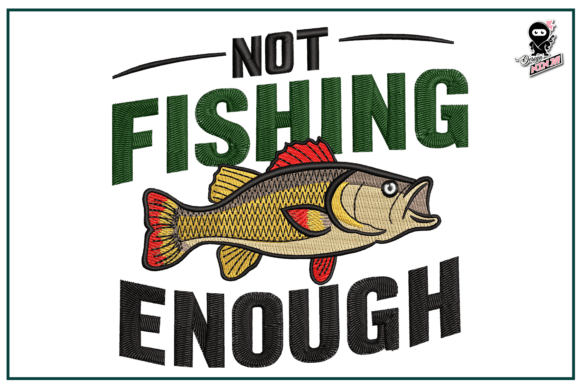
Visually, the design appears bold enough to stand out on a busy table display yet detailed enough to show off quality craftsmanship. The typography suggests a playful tone, which is essential for the current market where buyers are looking for personality in their purchases. Whether you are an Etsy seller curating a boutique collection or a small shop owner stocking seasonal items, this design offers a versatile aesthetic that fits well within farmhouse, cabin-core, and casual outdoor themes.
Evaluating Product Applications for Maximum Sales
The true test of any digital embroidery file is how it translates across different substrates. When preparing for a weekend market, variety is key. Here is how Not Fishing Enough performs on specific products I plan to feature:
- Tote Bags: This is likely the strongest application. A large tote bag allows the full phrase to be visible from a distance. The design works beautifully as a central focal point on canvas or heavy cotton blends. It transforms a plain utility bag into a statement piece that shoppers can immediately visualize using for groceries or beach trips.
- Apron Embroidery: Kitchen wear is a staple for craft fairs. Placing this design on the bib of a linen apron adds a humorous touch to the kitchen. The contrast of the text against natural fibers creates a premium feel, elevating the perceived value of the finished product.
- Tea Towel Embroidery: While tea towels have a textured surface, this design holds up well if the stitch density is managed correctly. It serves as a charming accent on the hem or center, making it an ideal low-cost impulse buy for customers browsing your booth.
- Embroidered Patches: Creating patches from this design opens up endless possibilities. Customers can iron them onto denim jackets, backpacks, or hats. Patches are lightweight, easy to ship for online sales, and great for booth samples that let people take a piece of the design home with them.
- Caps and Pillow Covers: For caps, the curved surface requires careful placement to ensure the text remains legible. On pillow covers, the design acts as a cozy nod to cabin life, fitting perfectly into home decor collections.
Production Realities: Stitch Density and Fabric Texture
While the concept is strong, the execution determines the profit margin. As I prepare to hoop this design for batch production, I must address practical concerns regarding the machine embroidery design specifications. One critical factor is stitch density. If the letters are too dense, they may pucker thin fabrics like t-shirts or cause issues on thick towels. Conversely, if the spacing is too tight, the thread might not lay flat on textured surfaces.
Fabric texture plays a massive role here. On a smooth cotton tote, the threads will sit crisp and clean. However, on a waffle-weave towel or a slubby linen apron, the needle must penetrate deeper, requiring a robust stabilizer. I always recommend testing the design on scrap fabric first. Check how the thread colors pop against different backgrounds; a dark grey thread on a black cap will disappear, ruining the visual impact. For Not Fishing Enough, high-contrast thread colors are essential to maintain readability and charm.
Furthermore, consider the hoop size. If the design is large, it may require a 6x10 inch hoop or larger, which limits the types of garments you can use. If the design is meant to be a small accent, ensure the lettering does not become illegible when scaled down. Tiny details often get lost when reducing size, leading to a messy finished product that looks unprofessional. Always confirm the recommended hoop size before purchasing bulk materials.
Selling Strategy: From Booth Display to Online Listings
For the craft fair environment, visibility is everything. Not Fishing Enough needs to catch the eye from three feet away. I plan to create a tiered display featuring the tote bags at the front, with aprons and pillows stacked behind. The humor in the phrase invites engagement; customers often read the text aloud, which draws attention to the entire booth.
For the Etsy seller or digital creator, this design is a goldmine for creating printable mockups. High-quality photos of the embroidered items on lifestyle backgrounds—perhaps near a campfire or in a rustic kitchen—will drive clicks. The design assets provided should be used to generate these marketing images, ensuring potential buyers understand exactly what the finished product looks like.
Batch production is feasible with this design because the color changes appear manageable, keeping run times efficient. However, consistency is vital. Every item leaving your shop must look identical to maintain brand trust. Use the same stabilizer, tension settings, and thread brands for every run. This ensures that the handmade product feels premium and reliable, encouraging repeat business.
Final Designer Notes and Licensing
Before you start stitching, remember to review the commercial licensing terms included with your purchase. If you intend to sell the finished goods, you must have the appropriate rights. Do not assume the license covers mass production without verification. Additionally, always create at least one real mockup before committing to a large order. Compare fabric colors under natural light to see how the thread interacts with the material.
In conclusion, Not Fishing Enough is a versatile, engaging design that bridges the gap between functional gear and personal expression. With proper attention to stitch density, fabric choice, and presentation, it has the potential to be a top seller for craft fair vendors and online boutique makers alike. By focusing on quality and strategic placement, you can turn this simple phrase into a profitable addition to your handmade product line.